A well-stocked pantry can be the difference between a five-star review and a forgettable stay. Guests remember thoughtful touches like quality coffee beans waiting by the espresso machine or a basket of local treats on the counter, and these details often become the highlight of their reviews. When you stock your Airbnb pantry strategically, you create convenience for your guests while reducing those middle-of-the-night texts asking where to buy milk or whether the salt shaker is actually empty.
The pantry isn't just about avoiding negative reviews. It's an opportunity to showcase local flavors, accommodate different dietary needs, and demonstrate that you've thought beyond the basics. A kitchen setup checklist gets you started with equipment, but what you stock inside those cabinets determines whether guests feel like they're staying somewhere thoughtfully prepared or somewhere that barely meets minimum standards.
Your pantry strategy should align with your property type and guest demographics. A family-friendly cabin needs different staples than a romantic downtown loft, and understanding this distinction helps you invest in items that actually get used rather than expiring between bookings.
Core Pantry Essentials Every Airbnb Needs
Every successful Airbnb pantry includes cooking basics, beverage options, and flavor enhancers that guests expect to find without having to ask. These fundamentals create the foundation for guest self-sufficiency and prevent those awkward messages about missing olive oil or where to find sugar at midnight.
Cooking Basics That Guests Expect
Start with the non-negotiables: olive oil, vegetable oil, salt, pepper, and sugar. These items appear in nearly every recipe and their absence immediately signals to guests that you haven't thought through the cooking experience. Store these in clearly labeled containers rather than leaving half-empty bottles from previous guests, which creates an uninviting impression.
Beyond the absolute basics, include all-purpose flour, baking powder, and vanilla extract if your kitchen has baking equipment. Guests attempting to make pancakes or simple desserts will appreciate not needing a grocery run for small quantities. Keep these in airtight containers with expiration dates clearly marked, rotating stock every three to six months depending on your turnover rate.
Consider adding bouillon cubes or stock concentrate, which take minimal space but enable guests to create soups, sauces, and more flavorful rice dishes. These shelf-stable items rarely go to waste and significantly expand what guests can prepare with simple ingredients from a local market.
Coffee and Tea Station Must-Haves
Coffee quality often appears in reviews more than any other pantry item, making your coffee station setup critically important. Stock both regular and decaf options in whole bean or ground form depending on your coffee maker, and include at least one premium option rather than the cheapest grocery store brand.
Your tea selection should cover the basics: black tea (English Breakfast or similar), green tea, chamomile, and peppermint. These four varieties accommodate most preferences without requiring excessive cabinet space. Display them in a small basket or container near the kettle so guests immediately see the options available.
Don't forget the coffee station accompaniments: sugar, artificial sweeteners, honey, and both regular milk and a non-dairy alternative in the refrigerator for arrivals. Providing cream or milk for the first morning demonstrates exceptional hospitality and appears frequently in glowing reviews.
Condiments and Flavor Enhancers
A basic condiment collection transforms your kitchen from functional to genuinely usable. Ketchup, mustard, mayonnaise, soy sauce, and hot sauce cover the majority of guest needs without overwhelming your refrigerator. Buy small bottles rather than bulk sizes, as these items can spoil between guests at properties with lower occupancy rates.
Dried herbs and spices deserve special attention because they're expensive to buy in small quantities yet essential for cooking. Provide garlic powder, onion powder, Italian seasoning, paprika, cumin, and chili powder as a foundation. Label these clearly with purchase dates and replace annually, as dried spices lose potency over time.
Vinegar (both white and apple cider) and lemon juice serve multiple purposes from cooking to cleaning, making them excellent multipurpose additions. Store these with your oils in a designated cooking essentials area that's immediately visible when guests open the pantry.
Want to showcase your pantry amenities effectively? A comprehensive guest guide helps you highlight these thoughtful touches before guests even arrive, setting the stage for five-star reviews.
Start for freeWelcome Snacks That Impress Guests
Strategic welcome snacks create an immediate positive impression that colors guests' entire experience, often earning mentions in reviews and distinguishing your property from similar listings. The key is selecting items that feel generous without creating waste or appearing cheap.
Individually Wrapped Snack Ideas
Individually wrapped snacks solve the hygiene concerns that many guests have about shared food items while reducing waste between bookings. Granola bars, protein bars, packaged crackers, and single-serve chips provide grab-and-go convenience that travelers particularly appreciate after long journeys.
Consider creating a welcome basket with six to eight individually wrapped items per expected guest rather than leaving an open bag of chips that subsequent guests might find unappetizing. This approach looks intentional and generous while maintaining freshness standards that health-conscious travelers expect.
Cookies, brownie bites, and similar treats work well when individually wrapped or purchased in portion-controlled packages. Avoid items that melt easily if your property gets warm between stays, focusing instead on shelf-stable options that maintain quality regardless of temperature fluctuations.
Local and Artisan Snack Options
Local products transform your welcome snacks from generic to memorable by giving guests an immediate taste of the destination. Source items from nearby bakeries, chocolatiers, or specialty food producers, then include a small note about the vendor and where guests can purchase more.
Regional chips, crackers made by local companies, or specialty nuts grown in your area provide conversation starters and often appear in guest photos posted to social media. These items typically cost slightly more than mass-market alternatives but deliver significantly higher perceived value.
Partner with local vendors who might offer bulk pricing or consignment arrangements for regular orders. Many small producers appreciate the exposure that comes from being featured in vacation rentals and may provide favorable terms to hosts who consistently order from them.
Dietary-Friendly Snack Choices
Including gluten-free, nut-free, and vegan options demonstrates awareness of dietary restrictions without requiring extensive research into each guest's needs. Simple additions like rice crackers, fruit pouches, or seed-based bars ensure that nearly every guest finds something they can enjoy.
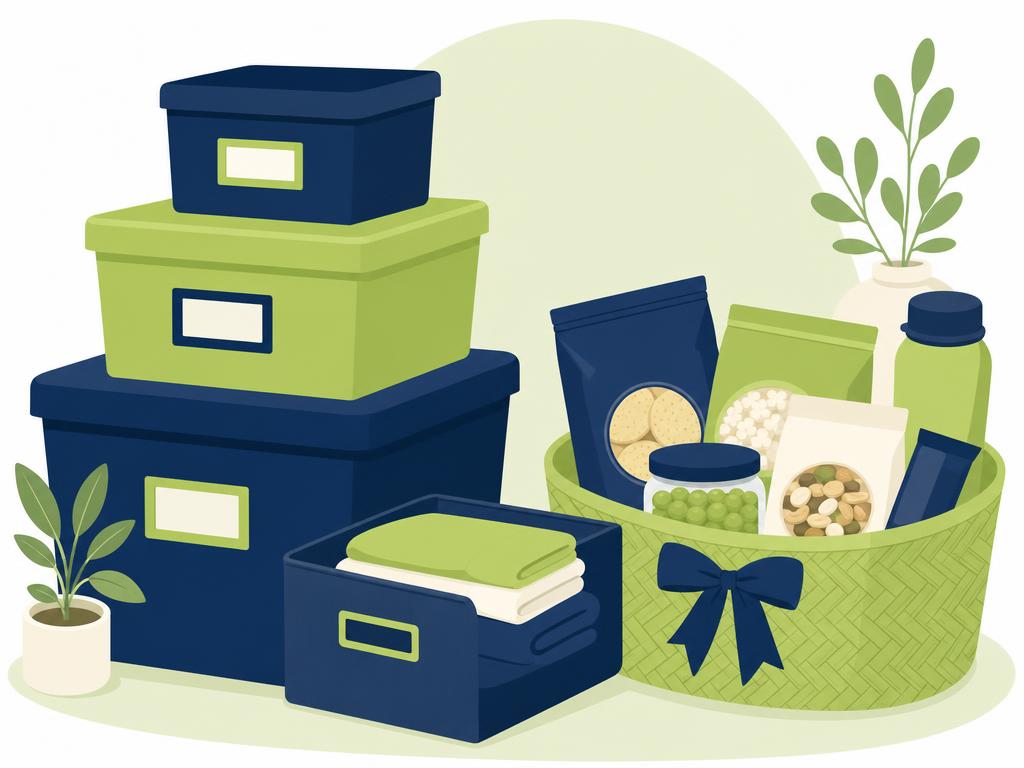
Label dietary-friendly options clearly, either through your digital guidebook or with small cards near the snacks. Guests with restrictions appreciate knowing immediately what's safe for them rather than reading every ingredient label or wondering whether items are truly suitable.
Fresh fruit bowls work universally and add visual appeal, though they require coordination with your cleaning team to ensure freshness at each arrival. Bananas, apples, and oranges withstand room temperature storage and provide a healthy option that complements packaged snacks nicely.
Presentation and Storage Best Practices
How you organize and display pantry items directly impacts whether guests actually use them and feel comfortable doing so. Poor organization leads to confusion, wasted provisions, and missed opportunities to impress guests with your thoughtfulness.
Container and Labeling Systems
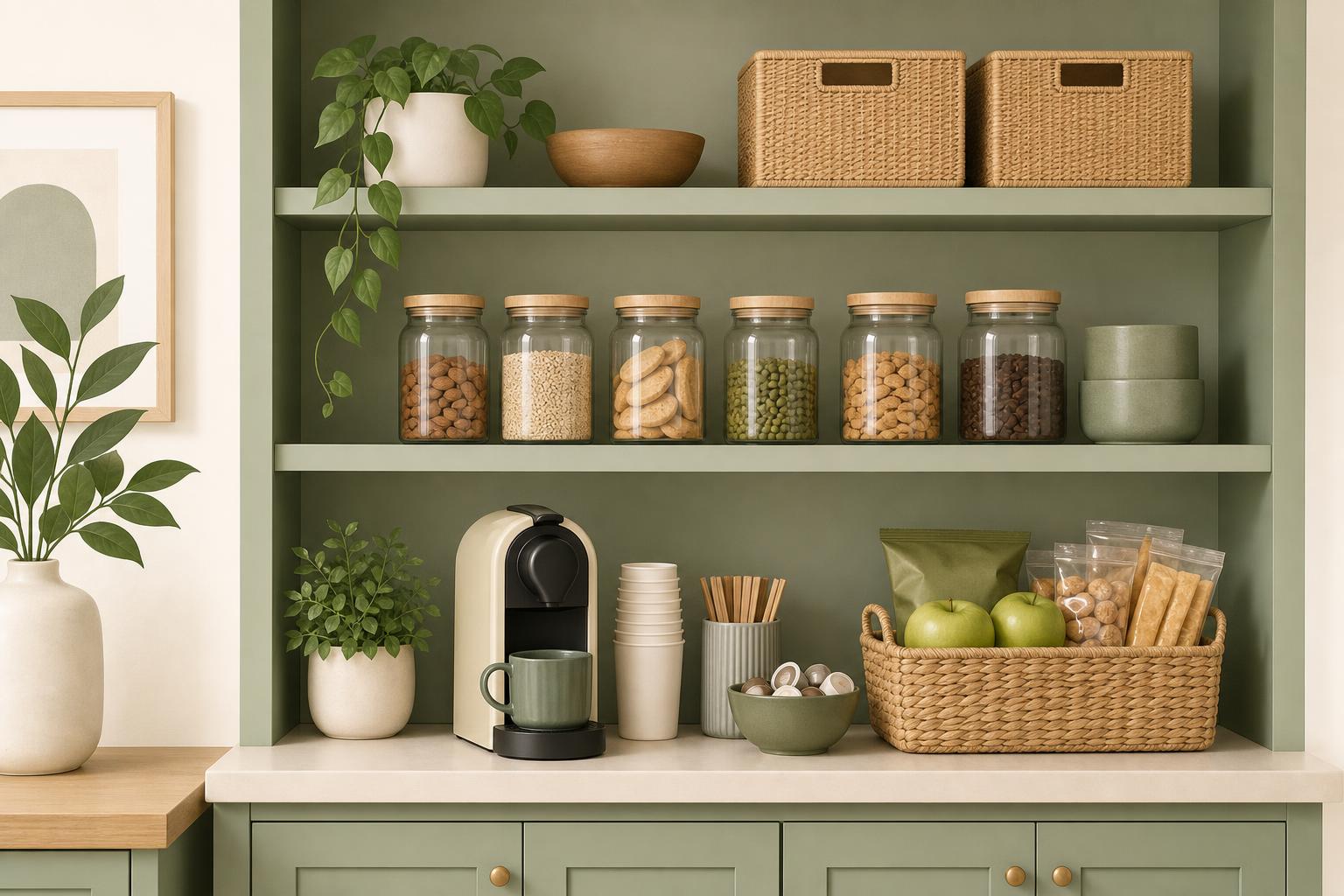
Clear, airtight containers transform bulk pantry items from looking institutional to appearing intentionally curated. Transfer staples like flour, sugar, coffee, and rice into matching containers with clear labels that include the item name and any relevant dates.
Label everything clearly, even items that seem obvious. What looks like sugar might be salt, and guests won't risk ruining their coffee by guessing. Use a label maker or printed labels rather than handwritten notes, which can appear messy or temporary even when they're not.
Group similar items together logically: baking supplies in one area, coffee and tea in another, cooking oils and condiments in a third section. This organization speeds up guest discovery and makes restocking straightforward for your cleaning team.
Creating a Welcome Snack Display
Your welcome snacks deserve prominent placement rather than being hidden in cabinets where guests might not find them. A small basket on the kitchen counter or dining table immediately catches attention and signals that these items are intended for guest use.
Include a simple card with your welcome display that says "Please enjoy" or "Help yourself" to eliminate any uncertainty about whether items are truly complimentary. This small touch prevents guests from texting to ask whether they can eat the granola bars or whether those are left from previous stays.
Refresh your welcome display presentation seasonally or for special occasions. A small Halloween basket, summer beach-themed arrangement, or winter hot cocoa station creates Instagram-worthy moments that guests love sharing, providing free marketing for your property.
Pantry Organization for Easy Restocking
Design your pantry system with your cleaning team in mind, creating a restocking process that's simple enough to execute consistently between every stay. Maintain a master inventory list that specifies exactly which items should always be available and at what quantities.
Store backup supplies in a clearly designated area separate from guest-accessible items. This separation prevents confusion about what's available for current guests versus what's reserved for future restocking, streamlining turnover procedures.
Implement a simple check system where your cleaning team confirms pantry stock as part of their standard checklist. This prevents embarrassing situations where guests arrive to find empty coffee containers or missing cooking oil because someone forgot to check before the previous departure.
Featuring Your Pantry in Your Guest Guide
Even the most thoughtfully stocked pantry delivers minimal value if guests don't know what's available or where to find it, making clear communication through your guide essential. Your guest guide transforms pantry amenities from hidden features into highlighted selling points that justify your nightly rate.
Writing Clear Pantry Descriptions
Describe exactly what guests will find rather than using vague phrases like "well-stocked kitchen." List specific items: "You'll find olive oil, vegetable oil, salt, pepper, sugar, flour, and basic spices in the pantry" gives guests concrete information they can use for meal planning.
Explain your philosophy around complimentary items versus bring-your-own ingredients. For example: "We provide cooking basics and a welcome snack basket. For full meal preparation, we recommend visiting the farmers market three blocks north or the grocery store we've listed in the Local Favorites section."
Include preparation suggestions when relevant: "Our local coffee beans work beautifully in the French press. We recommend a four-minute steep time for optimal flavor." These details enhance the guest experience while showcasing your attention to quality.
Including Photos and Locations
Add photos showing your organized pantry, labeled containers, and welcome snack display in your guide. Visual references eliminate confusion about where items are stored and demonstrate the quality of what you're providing before guests even arrive.
Create a simple kitchen map or written description explaining where to find different categories of items: "Coffee and tea supplies are in the upper cabinet left of the sink. Cooking oils and spices are in the pantry beside the refrigerator. Welcome snacks are in the basket on the counter."
Photograph your pantry organization system and update these images seasonally or whenever you make changes. Current photos prevent frustration when guests search for items shown in outdated guide images that no longer reflect your actual setup.
Setting Expectations About Complimentary Items
Clearly distinguish between complimentary provisions and items left by previous guests that happen to remain in the pantry. State explicitly: "All items in labeled containers and the welcome basket are complimentary. Any unlabeled items in the refrigerator or pantry are not included and may be leftovers from previous guests."
Address replenishment policies upfront to prevent misunderstandings: "We stock coffee, tea, and basic cooking ingredients for your arrival. For extended stays beyond three days, you may need to replenish some items. We're happy to recommend nearby shopping options."
Use your guide to highlight premium or special items as part of your overall welcome experience ideas: "We've included locally roasted coffee beans from Main Street Coffee Roasters and artisan crackers from Valley Bakery in your welcome basket. Both vendors are within walking distance if you'd like to purchase more."
Conclusion
A thoughtfully stocked and well-organized pantry elevates your Airbnb from a place to sleep into a home away from home where guests feel genuinely cared for. The investment in quality coffee, cooking basics, and welcome snacks pays dividends through improved reviews, higher booking rates, and guests who return specifically because they remember these thoughtful touches. When you combine strategic stocking with clear organization and effective communication through your guest guide, you create a seamless experience that sets expectations appropriately while delighting guests with your attention to detail.
The key to pantry success lies in matching your provisions to your specific guest demographics, maintaining consistent quality through organized restocking systems, and showcasing these amenities effectively so guests know what's available before they even wonder where to find something. Remember that presentation matters as much as selection. A modest collection of basics displayed beautifully often impresses guests more than an overstuffed pantry where nothing is labeled and everything looks like leftovers from previous stays.
Ready to create a comprehensive guide that showcases your pantry amenities alongside all your other thoughtful hosting touches? Build your complete digital guest guide today and give your guests the information they need to fully enjoy everything you've prepared for them, from that first cup of coffee to their final checkout morning.