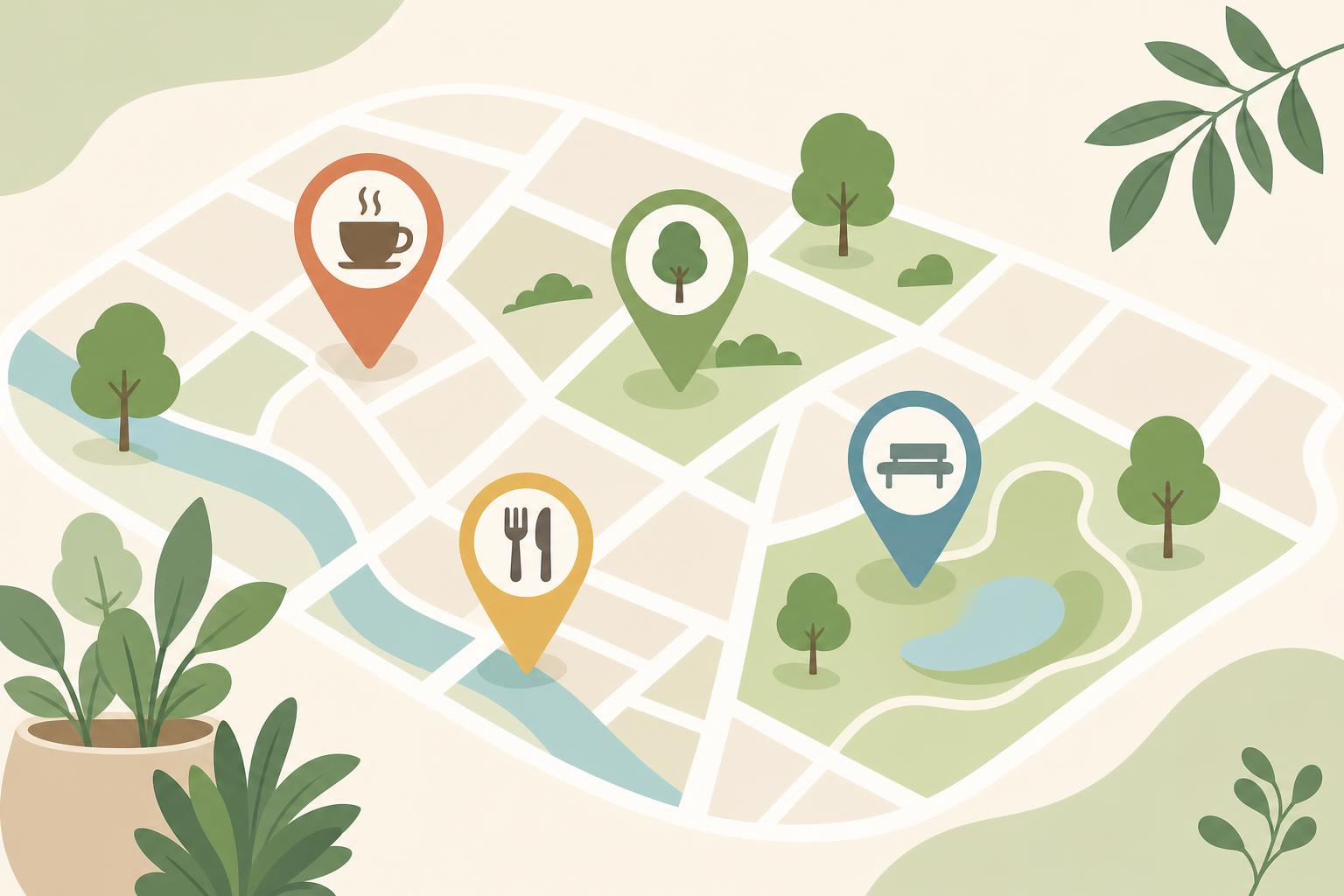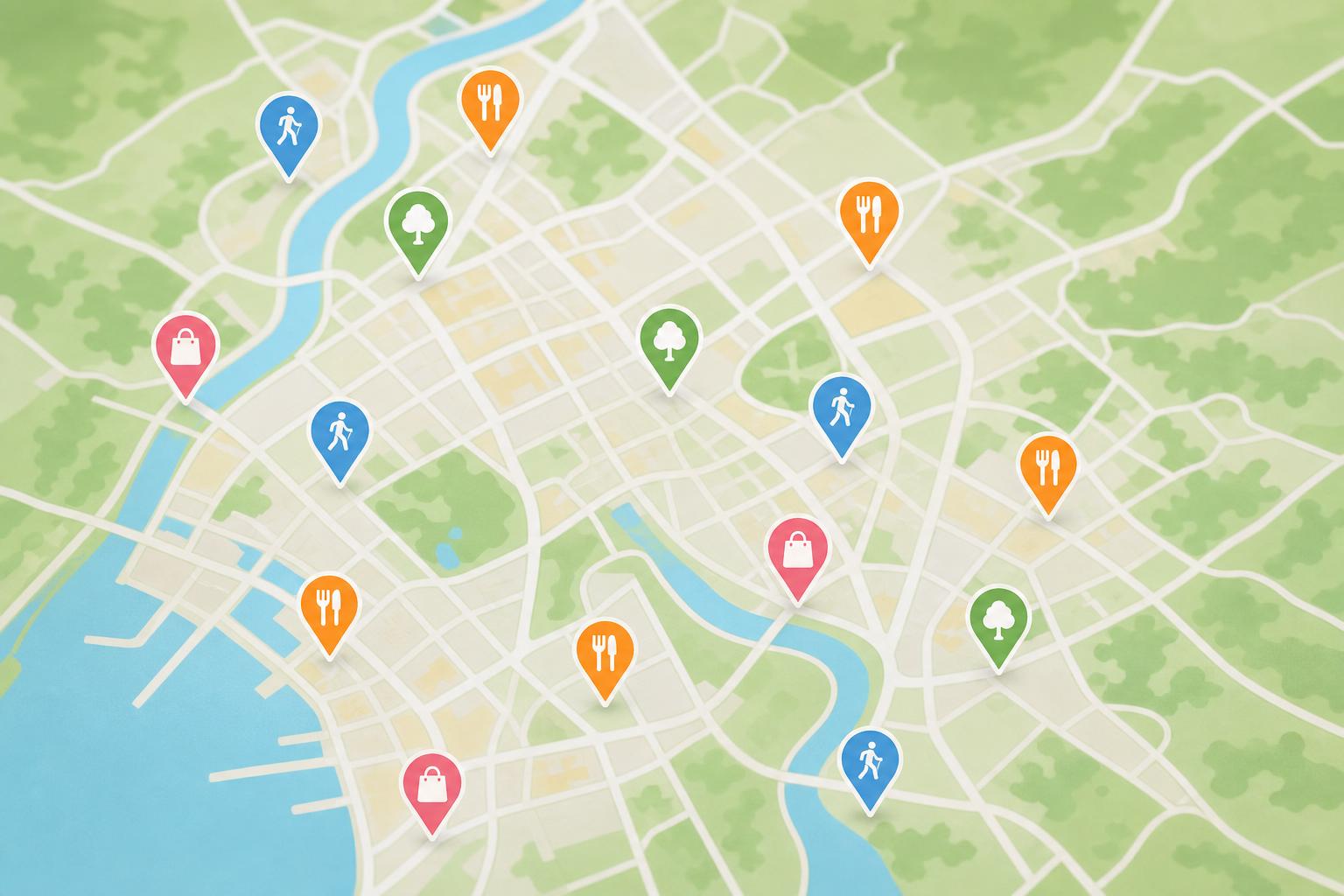
Your guests are already scrolling through Google Maps at 6:45 AM, wrapped in your throw blanket and craving caffeine. They don't want seventeen mediocre options or a generic "there's a Starbucks two blocks away" message. What they actually want is the cozy spot with the matcha lattes and the pastries that locals queue for, delivered in a way that doesn't require mental gymnastics before their first cup of coffee. A well-crafted coffee and breakfast guide doesn't just answer the "where should I eat?" question. It shapes their entire first impression of your neighbourhood and makes them feel like an insider instead of a tourist fumbling through unfamiliar streets.
Most hosts understand that local recommendation ideas matter, but coffee shops occupy unique real estate in the guest experience. Unlike dinner spots that guests might research days in advance, breakfast decisions happen in real time, often within minutes of waking up. Your guide needs to work when guests are groggy, rushed, or managing hungry children. That means clarity, accessibility, and genuinely useful details matter more than comprehensiveness.
Why Morning Recommendations Matter Most
Morning recommendations directly influence how guests perceive your hosting quality because they're the first local interaction most visitors have after checking in. When someone arrives at your property late in the evening, unpacks, and falls asleep, their first active decision the next morning revolves around coffee and breakfast. That moment sets the tone for everything that follows. If they spend twenty frustrating minutes trying to find a decent café because your guide was vague or outdated, that frustration colours their entire stay. If they walk into a charming neighbourhood spot with perfect avocado toast because you pointed them there with clear directions, you've just earned massive goodwill before they've even explored the rest of your recommendations.
Guests search for breakfast within hours of arrival
The timeline matters here. Unlike dinner reservations that guests might book days ahead or activities they schedule in advance, breakfast searches happen immediately. Data shows that 65% of guests look up morning food options within their first twelve hours at a property. They're often doing this search on mobile devices while still in bed or getting dressed, which means your guide needs to work seamlessly on phones. If your recommendations are buried in a printed binder on a bookshelf, they're functionally invisible to the guest who's already tapping their screen looking for "coffee near me."
Coffee shops drive review mentions and ratings
Review analysis reveals that guests who mention specific local coffee shops or breakfast spots in their reviews consistently rate their stays higher overall. It's not just correlation. When guests feel you've given them insider knowledge that improved their trip, they attribute that positive experience directly to your hosting. Phrases like "the host recommended this amazing café around the corner" appear frequently in five-star reviews. Conversely, reviews mentioning difficulty finding good breakfast options often coincide with lower ratings, even when the property itself was fine.
Local knowledge separates your listing from competitors
In competitive markets where ten similar properties exist within a few blocks, your coffee guide becomes a differentiator. Generic hosts tell guests there are "lots of great options nearby." Thoughtful hosts say "Monogram Coffee Roasters opens at 7 AM, has the best flat whites in the neighbourhood, and almost never has a line before 8:30 on weekdays." That specificity signals effort and genuine local expertise. It's the kind of detail that makes guests choose your listing over an identical apartment down the street, and it's exactly what guests want from hosts who truly understand their needs.
What Should You Include in Your Coffee Guide?
Your coffee guide should feature three to five carefully selected venues with specific operational details and personality descriptions rather than an exhaustive neighbourhood directory. The goal isn't to list every possible option but to confidently steer guests toward places that actually match different situations and preferences. Think of yourself as a knowledgeable friend making a recommendation, not a tourism bureau compiling data.
Curate 3 to 5 spots instead of listing everything
Decision fatigue is real, especially before caffeine. When you present fifteen breakfast options, you're not being helpful but rather overwhelming. Guests want confident curation. Choose spots based on different use cases: the closest option for desperate early risers, the best quality regardless of distance, the family-friendly place with high chairs and patience, the quiet spot perfect for remote work, and maybe one wildcard gem that feels special. This approach respects your guests' time and mental energy while still providing meaningful choice.
Add walk time, parking, and opening hours
Operational details prevent frustration and wasted trips. "Eight-minute walk" means more than "0.4 miles" to someone unfamiliar with your neighbourhood's hills or traffic lights. Parking information matters enormously in car-dependent areas. Opening hours prevent the disappointment of walking ten minutes to find a closed door. But don't just list "7 AM to 3 PM." Note important caveats: "Opens at 7 AM weekdays, 8 AM weekends" or "Closes at 2 PM, so don't count on this for late brunch." Include whether they accept cards or are cash-only, and mention if there's typically a wait during weekend brunch hours.
Tired of updating printed binders every time a café changes hours? Build a digital guest guide that you can update instantly and guests can access from their phones the moment they need it.
Start for freeNote signature drinks, dietary options, and vibe
Generic descriptions like "great coffee" help no one. Instead, write "known for their honey lavender latte and house-made granola" or "serious espresso bar with minimalist vibe, not a laptop-friendly hangout spot." Dietary information prevents awkward situations: "extensive vegan menu including cashew cream for coffee" or "gluten-free bread available but limited options otherwise." Vibe descriptions help guests self-select: "loud and energetic, popular with families" versus "quiet with good wifi, laptop-friendly until noon" tells guests exactly what to expect and whether it matches their mood.
Include backup options for Mondays and holidays
Nothing frustrates guests more than following your top recommendation only to find it unexpectedly closed. Many beloved independent cafés close Mondays or have irregular holiday schedules. Always include at least one reliable backup option that's open seven days or has more predictable hours. Explicitly note this: "If Bluestone Lane is closed (they sometimes close for private events), try Southside Coffee three blocks south, open daily 6:30 AM to 4 PM." This kind of contingency planning demonstrates thoughtfulness that guests genuinely appreciate and remember.
How Should You Organize Your Breakfast Recommendations?
You should organize your breakfast recommendations by guest need or situation rather than arbitrary schemes like alphabetical order or pure proximity. The organizational structure itself communicates priorities and helps guests quickly find what matches their immediate circumstances, whether that's speed, dietary requirements, or experience quality.
Sort by distance or guest type, not alphabetically
Alphabetical organization serves the organizer, not the user. Guests don't think "I wonder what cafés start with the letter B." They think "what's closest?" or "where can I take my toddler?" Distance-based sorting works well for practical mornings when convenience trumps everything. Alternatively, organizing by guest type or need works brilliantly: sections for "Quick Grab and Go," "Leisurely Brunch Spots," "Best for Remote Work," and "Kid-Friendly Options" let guests immediately jump to what matters for their specific situation that morning.
Use categories like quick grab-and-go vs sit-down brunch
Different mornings demand different solutions. Tuesday when someone has an early meeting requires different guidance than Saturday when a couple wants a leisurely two-hour brunch. Create clear categories that match these distinct use cases. Under "Quick Options," list places with efficient counter service, good pastries to go, and strong coffee in under five minutes. Under "Brunch Experiences," recommend spots with table service, extensive menus, and atmospheres worth lingering in. This categorical approach mirrors how guests actually think about their breakfast decisions.
Highlight family-friendly and dietary-specific venues
Parents traveling with children need to know which cafés welcome kids versus which have tight spaces and breakable décor everywhere. Explicitly label family-friendly spots and mention amenities: "high chairs available, kids menu, tolerant of noise." For dietary needs, create clear callouts rather than burying this information in paragraph descriptions. Use simple labels: "(Vegan options)," "(Fully gluten-free kitchen)," "(Extensive vegetarian menu)." Guests with dietary restrictions will love you for making this information scannable rather than forcing them to read every description hunting for keywords.
Keep it scannable with icons or short labels
Remember that guests are reading this on small phone screens, possibly while wrangling luggage or children, definitely before adequate caffeine. Dense paragraphs don't work in this context. Use short labels, bullet points, or simple icons to convey information quickly. A small icon for wifi, another for outdoor seating, another for accepts cards versus cash-only communicates instantly what would take sentences to explain. The faster someone can scan your guide and make a decision, the more useful they'll find it and the more likely they'll actually use your recommendations instead of defaulting to whatever Google suggests first. When you learn to organize your local recommendations with this scannable approach, the entire guide becomes dramatically more effective.
Where Should You Put Your Guide So Guests Use It?
Your guide should live in a digital guidebook that guests can access instantly on their phones rather than in a physical binder they might never open. Location and accessibility determine whether your carefully crafted recommendations actually get used or languish unread while guests scroll through generic Google results instead.
Digital guidebooks beat printed binders for mobile access
The printed binder on your coffee table looks charming in listing photos but functionally fails modern guests. When someone's walking down the street trying to find breakfast, they're not carrying your binder. They're holding their phone. Digital guides solve this fundamental access problem. Guests can pull up your recommendations anywhere, anytime, without returning to the property or trying to remember details. Digital formats also allow you to include clickable links to maps, direct phone numbers for reservations, and even photos of the venues or specific menu items you're recommending.
Send it before arrival so guests can plan ahead
Don't wait until check-in to share your guide. Send it two to three days before arrival so guests can browse your recommendations while planning their trip. Some guests like to research every meal in advance. Others just want to know their first morning is handled. Either way, pre-arrival access builds anticipation and positions you as a proactive, thoughtful host before they've even met you. It also reduces the number of "where should we eat breakfast?" messages you receive after they arrive.
Embed maps or links for one-tap navigation
Make it absurdly easy for guests to actually get to your recommended spots. Embedded maps or direct navigation links eliminate the friction of copying an address into a separate map app. One tap should launch directions from wherever they're standing to the café you recommended. This tiny convenience dramatically increases the likelihood that guests follow your suggestions instead of choosing somewhere easier to find, even if it's inferior. The less mental or physical effort required to use your guide, the more valuable guests will find it.
Update seasonally and when venues close
The neighbourhood coffee shop that made your guide amazing in January might close permanently in March, be under renovation in June, or change ownership and quality by September. Digital guides shine here because you can update them instantly when circumstances change. Set a recurring calendar reminder every three months to verify hours, check for closures, and update any information that's changed. When you hear a recommended spot has closed, update your guide that same day before the next guest arrives and wastes time looking for it. This ongoing maintenance is what separates truly useful guides from outdated liability sources that erode guest trust.
Conclusion
Building a coffee and breakfast guide that guests actually use comes down to thoughtful curation, practical details, and accessible delivery. Your three to five carefully selected venues with specific information about walk times, vibes, and signature items will serve guests infinitely better than an overwhelming list of every café in a two-mile radius. When you organize recommendations by guest needs rather than arbitrary schemes, and deliver them through digital tools that work on mobile devices wherever guests happen to be, you transform a nice gesture into genuinely useful guidance that shapes positive experiences and generates better reviews.
The morning coffee recommendation is your chance to demonstrate local expertise and thoughtful hospitality before guests have explored anything else in your neighbourhood. It's a small investment of time that pays dividends in guest satisfaction, differentiation from competing listings, and the kind of specific positive review mentions that help future guests choose your property. The hosts who nail this detail understand that exceptional hospitality lives in the specifics, like knowing which café has the shortest wait on Saturday mornings or which spot keeps gluten-free options in stock.
Ready to create a coffee guide your guests can actually access when they need it most? Build your digital guest guide today and give your visitors the insider knowledge that turns a good stay into a memorable one, starting with that crucial first cup of coffee.