Families make up a significant portion of short-term rental guests, and one of their most common pre-arrival questions is where to eat with kids. A well-crafted local dining guide that includes kid-friendly restaurants, takeout options, and practical details can transform your guest experience from stressful meal planning to confident family outings. When you provide thoughtful dining recommendations upfront, you reduce guest questions, increase positive reviews, and position your property as truly family-focused rather than just family-tolerant.
Creating a family-friendly guide that includes dining recommendations takes some initial research, but it pays dividends in guest satisfaction and fewer support messages. This guide will walk you through building a dining resource that families actually use and appreciate, from research strategies to organization methods that make information easy to find.
Why Family Dining Guides Matter for STR Hosts
Family dining guides directly impact your booking success because they address one of the biggest pain points for traveling parents: finding restaurants where everyone can eat happily without drama. When families search for accommodations, they're not just evaluating your space, they're imagining their entire vacation experience, including meals out with tired kids after a long day of activities.
Families ask about restaurants before every trip
Even before booking confirmation, parents start planning meals. They want to know if there are restaurants nearby with kids' menus, high chairs, and patient servers. Without this information readily available, families either message you repeatedly with questions or they simply book a different property that provides clear dining guidance upfront.
The questions follow a predictable pattern: Where can we get breakfast quickly? Which restaurants have outdoor seating so our toddler can move around? Is there a pizza place that delivers? Do any restaurants have changing tables? By anticipating these questions in your digital guidebook, you save hours of back-and-forth messaging while demonstrating that you understand family travel challenges.
Kid-friendly dining reduces guest stress
Traveling with children involves constant decision-making fatigue. Parents research playgrounds, pack endless supplies, coordinate nap schedules, and manage emotional meltdowns in unfamiliar places. Every decision they can confidently make without additional research reduces their cognitive load and improves their vacation experience.
When you've already identified restaurants with quick service, kid-friendly atmospheres, and menu options that please both children and adults, you're removing a significant daily stressor. Parents can simply consult your guide, pick a restaurant that matches their current needs (tired kids need fast casual, special occasion calls for sit-down with good kids' menu), and go. This ease translates directly into relaxed, happy guests who associate that positive feeling with your property.
Thoughtful recommendations boost reviews
Guests specifically mention dining recommendations in reviews when those suggestions genuinely helped their trip. Phrases like "the restaurant guide was so helpful," "we ate at three places from their list and loved them all," and "perfect suggestions for families" appear frequently in five-star reviews for hosts who provide quality local recommendations. These details differentiate your property from competitors and signal to future guests that you go beyond basic hospitality.
Want to create a professional dining guide without the formatting hassle? Build a beautiful digital guest guide with restaurant recommendations, maps, and clickable phone numbers that guests can access instantly.
Start for freeResearch Kid-Friendly Restaurants in Your Area
Researching kid-friendly restaurants efficiently requires a systematic approach that balances thoroughness with practical time investment. Start by identifying restaurants within a 10-15 minute drive from your property, as families prioritize convenience over destination dining, especially with hungry or tired children.
What makes a restaurant truly kid-friendly
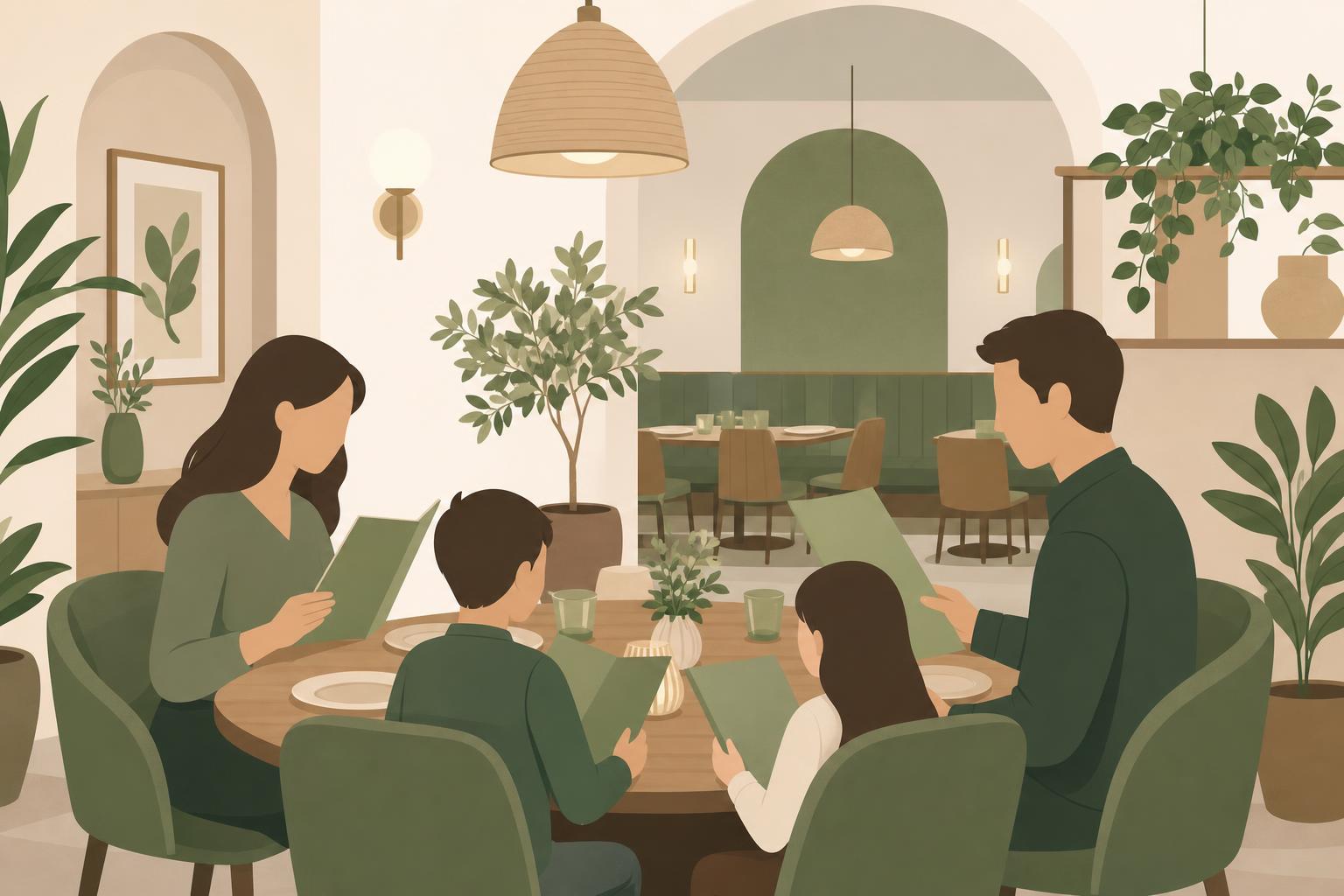
Truly kid-friendly restaurants go beyond having a kids' menu. Look for establishments with specific features that matter to parents: quick service times (families with young children rarely tolerate long waits), flexible menu options, high chair availability, changing tables in restrooms, and accommodating staff who don't treat children as inconveniences.
Atmosphere matters significantly. Restaurants with some ambient noise work better than quiet, formal settings where every child's outburst echoes. Outdoor seating, booths that contain mess better than open tables, and spaces where children's activity levels won't disturb other diners all contribute to positive family dining experiences. Casual restaurants with counter service often work better than full-service options for families with toddlers.
How to vet restaurants without visiting every one
You don't need to personally visit every restaurant to evaluate kid-friendliness. Start by reading recent reviews on multiple platforms, specifically searching for reviews mentioning "kids," "children," or "family." Parents are vocal about both positive and negative experiences dining out with children, so these reviews reveal real experiences.
Call restaurants during slower hours and ask specific questions: Do you have high chairs? Is there a kids' menu or can you modify regular menu items? How long does food typically take to arrive? Do you have outdoor seating? Most restaurants appreciate hosts who are recommending them and provide honest answers. Check restaurant websites and social media for photos that show the actual dining environment, not just food close-ups.
Build a balanced mix of cuisine types and price points
Your dining guide should include variety across multiple dimensions. Include fast casual options for exhausted families, sit-down restaurants for special meals, breakfast spots for early risers, and late-night options for flexible schedules. Cuisine variety matters because families eating out three meals daily for a week need options beyond pizza and burgers, no matter how kid-friendly those standards are.
Price point diversity ensures you're serving different guest budgets and occasions. Include affordable everyday options, mid-range restaurants for regular family dinners, and one or two special-occasion spots. Specify approximate costs per person to help families plan their budgets. Don't forget to add several reliable takeout and delivery options, as many families prefer eating one or two meals at your property rather than dining out for every meal.

Organize Your Dining Guide for Quick Guest Access
Organization determines whether guests actually use your dining guide or abandon it for generic search results. The best dining guides let parents find exactly what they need in under 30 seconds, whether that's Sunday breakfast spots, pizza delivery, or a restaurant with outdoor seating near a specific attraction.
Structure by meal type and cuisine category
Create clear sections that match how families actually search for restaurants. Start with meal type categories (Breakfast & Brunch, Lunch Spots, Dinner Restaurants, Late-Night Options) since families often search by when they need to eat. Within each meal category, you can organize by cuisine type or distance from your property.
Alternative organization methods include grouping by location (Near Downtown, Beach Area, Shopping District) or by dining style (Quick & Casual, Sit-Down Family Dining, Special Occasion). Choose the structure that best matches your area's geography and guest patterns. Some hosts successfully combine approaches, using meal type as primary organization with cuisine tags for easy filtering. The key is consistency throughout your guide so guests learn your system quickly.
What information to include for each restaurant
Each restaurant entry should include essential practical details that parents need to make confident decisions. At minimum, provide the restaurant name, address (with clickable map link), phone number (clickable for easy calling), general price range, and why you're recommending it specifically for families.
Go deeper with details that specifically matter for kids: mention if they have high chairs, a dedicated kids' menu, quick service, outdoor seating, or particularly accommodating staff. Note any limitations that might affect families (no high chairs, weekend wait times exceed 45 minutes, small space gets cramped). Including one or two specific menu recommendations helps parents visualize what their kids might actually eat there. Hours of operation save guests from showing up to closed restaurants, though noting that hours can change encourages guests to call ahead for current information.
Make takeout and delivery options easy to find
Takeout and delivery deserve prominent placement in your dining guide because many families prefer eating some meals at your property. Create a dedicated section listing restaurants that deliver or offer easy takeout, along with relevant delivery service information (which apps work in your area, typical delivery times, minimum orders).
For each takeout option, specify what makes it work well for families: large portions that feed multiple people, kid-friendly options that travel well, reliable delivery times, or easy online ordering. Include your property address formatted correctly for delivery apps so guests can copy and paste rather than typing. Some hosts include paper menus from frequently-used takeout places in their property welcome materials, though organizing local recommendations digitally ensures information stays current as menus and prices change.
Add Your Guide to Your Digital Guidebook
Digital guidebooks transform static restaurant lists into dynamic, useful resources that guests actually engage with throughout their stay. Moving your dining recommendations from printed sheets or message threads into a dedicated digital platform improves both guest experience and your ability to maintain accurate information.
Why digital beats printed dining guides
Digital guides solve the fundamental problem with printed materials: they become outdated the moment restaurants change hours, menus, or phone numbers. When your dining recommendations live digitally, you can update information once and every current and future guest sees the corrected version. No reprinting, no wondering if guests are looking at old information, no waste from outdated materials.
Guests increasingly expect digital access to local information. They want to pull up restaurant recommendations on their phones while driving around, not flip through printed pages back at your property. Digital formats enable features impossible with paper: clickable phone numbers for instant calling, map integration for one-tap navigation, and the ability to search or filter recommendations based on current needs.
Include clickable maps and phone links
Clickable functionality transforms passive information into immediate action. When restaurant addresses link directly to map applications, guests tap once and start navigation rather than manually entering addresses while standing on a sidewalk with antsy children. Phone number links similarly enable instant calling to check wait times, place takeout orders, or confirm high chair availability.
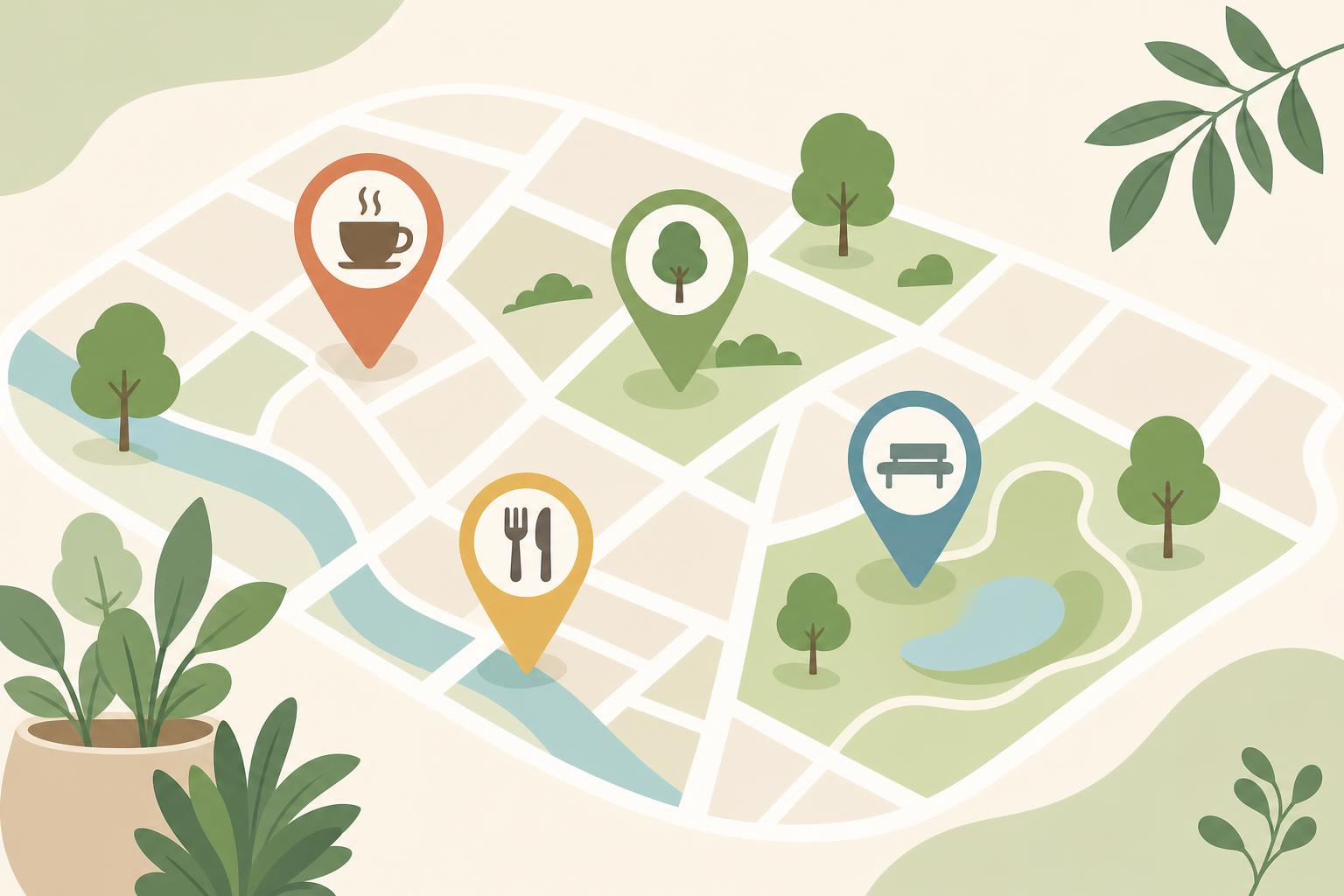
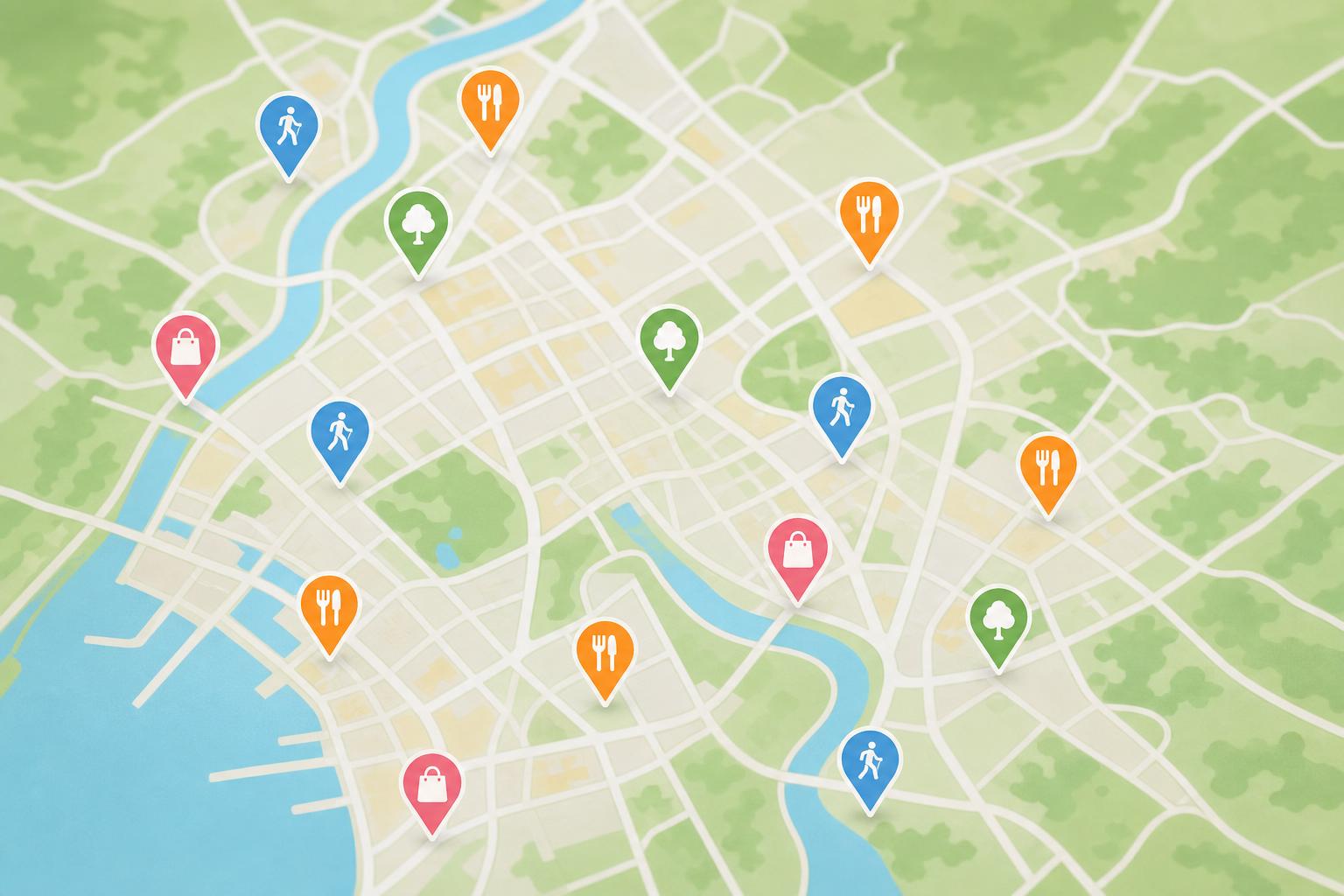
Map integration works particularly well when you can show restaurants visually relative to your property and major attractions. Families planning their days appreciate seeing which restaurants sit near the beach, downtown shopping, or children's museum, allowing them to combine activities and meals efficiently. Visual maps often communicate proximity more effectively than written distance descriptions.
Update restaurant info without reprinting
Restaurant information changes constantly. Seasonal hours shift, new management modifies menus, phone numbers update, and occasionally restaurants close entirely. With a digital guest guide, you simply log in and update the affected information once rather than reprinting dozens of pages, coordinating property visits to swap materials, and worrying about whether guests received current information.
This ease of updating encourages hosts to keep information genuinely current rather than letting it gradually become unreliable. When you hear from a guest that a restaurant changed its kids' menu or discover a newly opened family-friendly spot, you can add that information to your guide immediately. Future guests benefit from fresh, accurate recommendations, and you build a reputation for providing trustworthy local expertise rather than outdated generic lists.
Conclusion
Building a comprehensive kid-friendly dining guide positions your short-term rental as truly family-focused rather than merely family-tolerant. By researching restaurants systematically, organizing information for quick access, and maintaining current details through digital tools, you create lasting value that reduces guest questions while improving their entire vacation experience. The time invested in creating a quality dining guide pays returns through better reviews, reduced support burden, and the competitive advantage of genuine local expertise.
Remember that your dining guide should evolve based on guest feedback and changing local conditions. Pay attention to which restaurants guests mention positively in reviews, ask returning guests what worked well, and stay aware of new family-friendly openings in your area. This ongoing refinement ensures your recommendations remain relevant and valuable rather than becoming stale over time.
Ready to create a professional dining guide that families can access instantly from their phones? Start building your digital guest guide today and give your guests the local recommendations that transform good stays into memorable family vacations.